

How We Work
A boutique consulting firm founded by engineers, focused on the systems that drive your revenue.
How We Work
Revenue Improvement Framework
From Revenue Risk to Measurable Impact
-
Revenue at Risk
No questionnaires. No implementation process.
What we do
We collect only aggregated data and provide a general overview of where your revenue is at risk.
Why This Approach?
A low barrier to entry, no hassle with security, and an immediate business incentive: you can see right away where your revenue is under pressure.
Free for prospective customers
-
Treatment & Revenue Impact Plan
What we do
We link the identified bottlenecks to rules of evidence and a treatment library, and then prioritize the improvements that will yield the greatest return.
Why
To translate the analysis into a concrete plan: what needs to change, in what order, and with what expected impact on revenue.
A targeted plan for maximum return on sales
-
OneFlow
What we do
We translate the treatment plan into controlled adjustments: scope, tasks, development or configuration, testing, deployment, and documentation.
Why
So that the recommendations don't just gather dust on the shelf. Changes are implemented securely, and every step remains fully traceable.
You're always in control: implement the treatment plan yourself with your own team, or let OneFlow handle the process for you—fully automated and securely.
-
Measure Impact
What we do
We measure the same KPIs again and compare the situation before and after. Then, a Revenue at Risk scan can be run again.
Why
To demonstrate what the change has actually achieved and to identify the next opportunity for improvement.
Proven Profitability & Continuous Growth
Continuous Revenue Improvement
The cycle never ends. Every optimization reduces risk, unlocks additional revenue, and strengthens your commercial engine.
-
Based on data and metadata
Facts
-
Focused on revenue impact
Every action is directly linked to an expected financial return.
-
Repeatable and scalable
A proven standard model, tailored to fit your organization perfectly.
-
Safe and accessible
Aggregated data only. No questionnaires, no implementation process.
Focused on a single discipline
What we do
- The Revenue Flow in Salesforce
- CPQ, Billing, and Their Interconnections
- First the diagnosis, then the construction
What We Leave to Others
- Full-Service Marketing and Service Clouds
- Standard Salesforce Implementations
- Platform operations with no impact on revenue stream
Two locations, one standard
Who Performs the Work
The same engineering standard, at two locations.
Netherlands
Amersfoort
The Office in Europe
United States
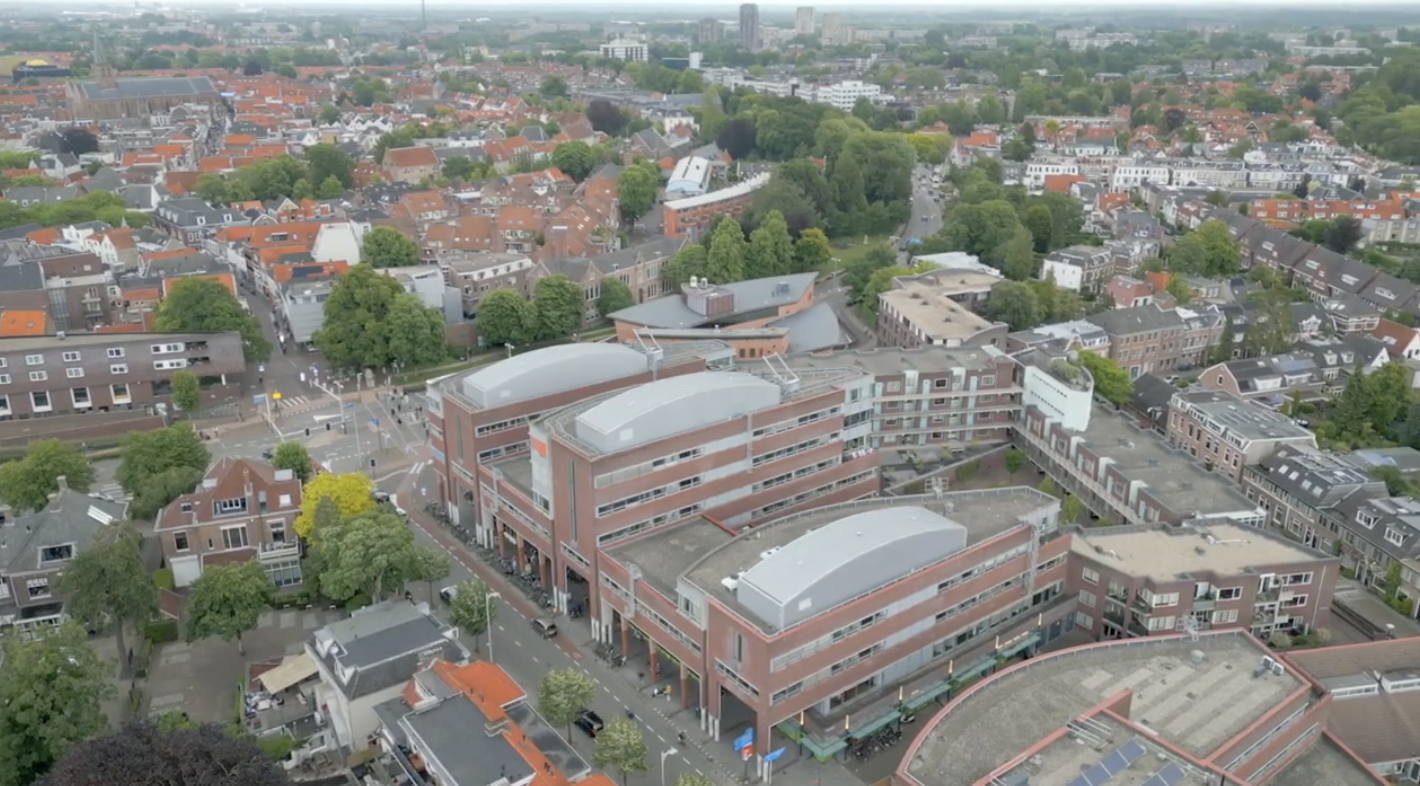
Tampa Bay, Florida
The office in the United States
How We Work Together
Watch the video about the CaseNine method
Frequently Asked Questions
Frequently Asked Questions
How does CaseNine identify where my company is losing revenue?
With Revenue Flow Intelligence, we identify where revenue is at risk or being lost within your processes. To do this, we analyze relevant data, process steps, and system dependencies within and around Salesforce.
This could include, for example:
- Discounts that are not applied in accordance with the agreed-upon pricing rules.
- Quotes that get stuck in approval processes.
- Contract renewals that are not processed in a timely manner.
- Differences between Salesforce, contract data, and billing systems.
- Manual tasks that cause errors or delays.
With solutions such as Revenue at Risk, we can provide insight into revenue risks. Revenue Impact then translates these insights into a concrete action plan.
How do I know which Salesforce improvements have the highest priority?
Not every Salesforce issue has the same financial or operational impact. That’s why we evaluate improvements not only based on technical complexity, but also on their impact on your revenue processes.
With Revenue Flow Intelligence, we identify the bottlenecks that cause revenue loss, delays, or extra work.
Revenue Impact then helps prioritize improvement measures based on their expected impact and the effort required.
This allows you to make an informed decision about which improvements to implement first, rather than spending time and budget on issues with limited business impact.
How does CaseNine work to improve Salesforce and sales processes?
CaseNine combines Revenue Flow Intelligence with the CaseNine Method to make targeted improvements to Salesforce environments and revenue processes. We don’t start with technical adjustments right away; instead, we first investigate where processes are stalling, why revenue is being lost, and which improvements will yield the greatest results.
Our approach consists of three parts:
- Insights with Revenue Flow Intelligence: We examine how revenue flows through your organization and where risks, delays, and inefficiencies arise.
- A concrete improvement plan: We translate the findings into practical recommendations, priorities, and possible solutions.
- Targeted implementation: Our senior Salesforce engineers implement the agreed-upon improvements using the CaseNine Method.
This is how we link technical Salesforce expertise to measurable business objectives.
Should CaseNine implement the improvements, or can my own team do that?
You decide how to implement the recommendations. Revenue Impact provides a concrete action plan that identifies which issues require attention, why they arise, and what improvements can be made.
Next, you have several options:
- Do it yourself: Your own Salesforce team uses the action plan to implement improvements.
- Hire CaseNine: our senior Salesforce engineers will handle the technical implementation.
- Using YourOneFlow: You'll receive support in organizing and implementing the improvement measures.
This means you retain control over the implementation, planning, and investment.
Why does CaseNine work exclusively with senior Salesforce engineers?
Complex Salesforce environments require more than just technical knowledge. For example, a change to a quote process can affect contracts, invoicing, reporting, and other integrated systems.
That is why CaseNine works exclusively with senior Salesforce engineers who understand both the technical architecture and the underlying business processes.
The specialist who analyzes and prepares your project is also involved in its implementation. This helps us minimize knowledge loss, unnecessary handoffs, and technical solutions that do not address the original problem.
What is the CaseNine Method, and how does it differ from traditional Salesforce consulting?
The CaseNine Method is our structured approach to analyzing, designing, and implementing Salesforce solutions.
Whereas traditional Salesforce consulting often starts with a technical change or a list of desired features, we begin by understanding the underlying business problem.
First, we investigate what is happening, why it is happening, and what the impact is. Then we determine what technical solution is needed.
Our senior Salesforce engineers remain involved from analysis through implementation. This allows us to minimize handoffs and ensure that the chosen solution addresses the original problem.
What is the difference between Revenue at Risk, Revenue Impact, and the CaseNine Method?
These components complement each other, but each has a different function.
- Revenue at Risk – Where Is Your Revenue at Risk? We identify potential revenue losses and risks within your revenue processes.
- Revenue Impact – How do we resolve this? We investigate the causes, determine the financial impact, and develop a concrete action plan with improvement measures.
- CaseNine Method – How Do We Implement Improvements? Our structured approach to delivering Salesforce solutions, from preparation to implementation.
This creates a logical path from insight to a concrete plan and, ultimately, to implementation.
What is Revenue Flow Intelligence, and how does CaseNine use it?
Revenue Flow Intelligence is the approach CaseNine uses to provide insight into how revenue flows through your organization, from sales opportunities and quotes to contracts, invoicing, and renewals.
We don't just look at what Salesforce records, but primarily at what's actually happening within your sales processes.
As part of this, we are examining, among other things:
- Revenue leakage: Where is your organization unknowingly losing revenue?
- Process Delays: Where Are Quotes, Approvals, or Contracts Unnecessarily Stalled?
- System Issues: Which Salesforce configurations or integrations are causing errors?
- Revenue Risks: What Issues Can Lead to Lost Revenue or Delayed Payments?
These insights form the basis for targeted improvements to Salesforce and the processes surrounding it.